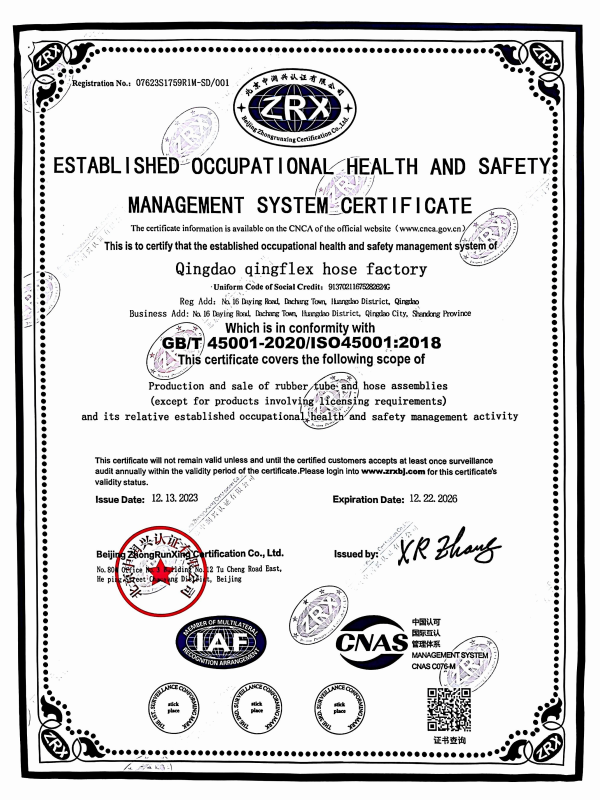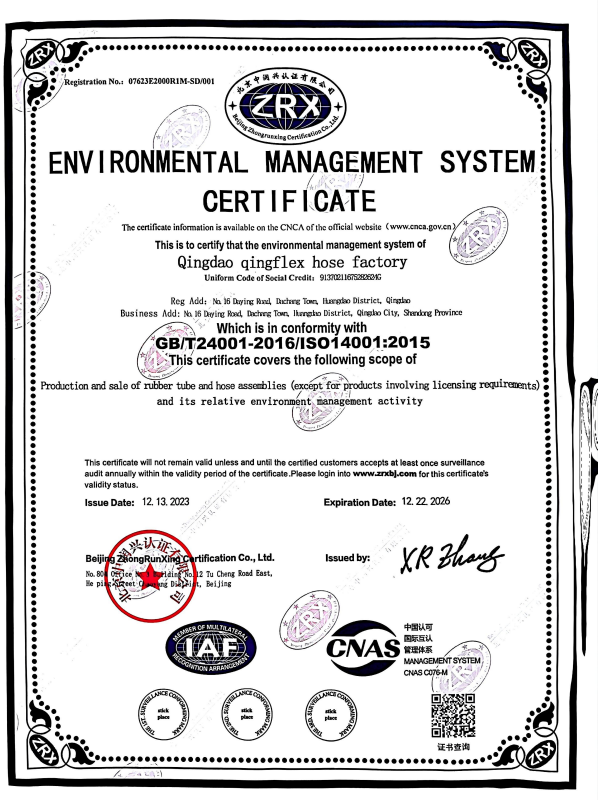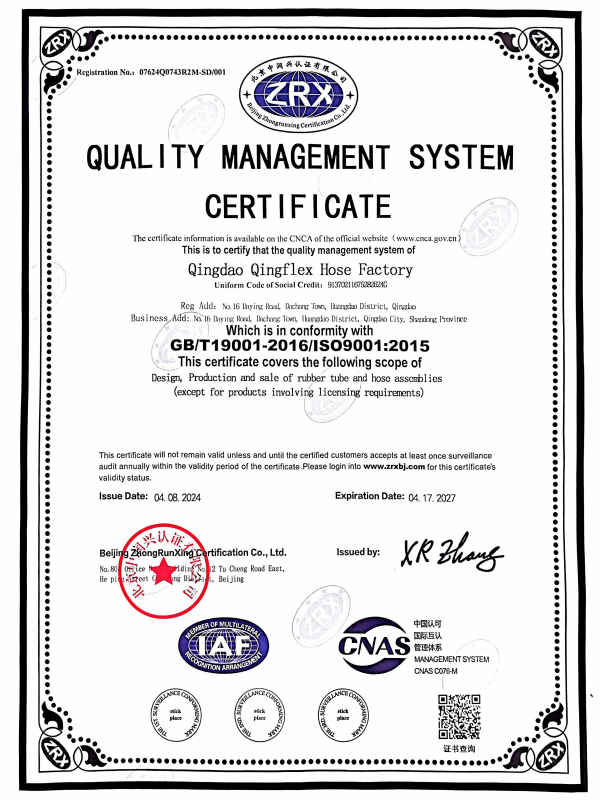
博客

  • Hello world!

    Welcome to WordPress. This is your first post. Edit or delete it, then start writing!

  • Qingdao Qingflex Hose Factory makes a shining appearance at CIPPE2025

    From March 20 to 22, 2025, the top event in the field of global oil, gas and petrochemical technology, CIPPE2025 Beijing International Petroleum Exhibition, was grandly held at the Beijing New International Expo Center. As a leading manufacturer in the field of Frac Hose, Qingdao Qingflex Hose Factory brought its core product Bonded Frac Hose and a variety of innovative solutions to the exhibition, showing the technical strength and excellent quality of Chinese manufacturing to global customers, becoming one of the focuses of the scene.

    d63c4af667064c7595741bb42e463373

    Driven by innovation, Bonded Frac Hose leads the new trend of fracturing technology

    In the field of oil and gas extraction, high-pressure, corrosion-resistant, and long-life hose equipment is the core component to ensure operational safety and efficiency. At this exhibition, the Bonded Frac Hose, which was highlighted by Qingdao Qingflex, became a star product that attracted the attention of professional visitors and industry partners. This product is designed for extreme working conditions, with ultra-high pressure resistance (working pressure can reach 15,000 PSI) and excellent chemical corrosion resistance, and can be widely used in shale gas extraction, hydraulic fracturing, and high-flow fluid transportation scenarios.

    Deeply cultivate the industry and provide solutions for customers

    During the exhibition, Qingdao Qingflex booth received many industry customers from North America, the Middle East, Southeast Asia and other regions.

    6bc805a9430841b8b8532e32253fa2a8

    Looking to the future, jointly opening a new chapter in energy

    The successful conclusion of CIPPE2025 marks that Qingdao Qingflex Hose Factory’s brand influence in the global high-end industrial hose market has reached a new level. In the future, the company will continue to promote technological innovation in the field of oil and gas equipment with Bonded Frac Hose as the core, and inject the surging momentum of “China Smart Manufacturing” into the sustainable development of the industry.

    Welcome to visit Qingdao Qingflex Hose Factory official website or contact alienfrac@qingflexgroup.com to obtain Bonded Frac Hose technical parameters and more information!

  • The Drilling Hose of Oilfield Hoses in Different Systems

    Oilfield hoses are crucial in various drilling and cementing systems, playing pivotal roles in ensuring efficient and safe operations.

    Drilling Systems

    1. Rotary and Vibrator Hoses:

       Function: Used in land and offshore drilling rigs, these hoses handle the transfer of drilling mud and compensate for movement.

       Specification: Designed to withstand high pressures (up to 7,500 psi) and extreme temperatures (-20°C to 121°C). They feature multiple layers of high-tensile steel wire for reinforcement and a synthetic rubber cover resistant to oil, drilling mud, abrasion, and ozone.

    2. BOP (Blowout Preventer) Hoses:

       Function: Critical for safety, these hoses are used to control the blowout preventer, preventing uncontrolled release of crude oil or natural gas.

    Cementing Systems

    1. Cementing Hoses:

       Function: Connect high-pressure cementing pumps to the cementing head, ensuring the delivery of cement slurry to secure the wellbore and casing.

       Specifications: These hoses are designed for high-pressure applications (up to 20000 psi) and feature a durable construction with multi high-tensile steel spirals for excellent abrasion resistance.

    Mud Pump Systems

    1. High-Pressure Mud Hoses:

      Function: Used to transport drilling mud from the mud pump to the drilling apparatus, these hoses are essential for maintaining drilling fluid circulation.

       Specifications: Built to handle high pressures and harsh drilling conditions, these hoses feature oil and drilling mud resistant synthetic rubber tubes and multiple layers of reinforcement.

    Conclusion

    Oilfield hoses, such as those from Qingflex, are indispensable in drilling and cementing operations. They offer the necessary durability, flexibility, and safety, ensuring efficient performance under the demanding conditions of oil and gas extraction. These hoses are engineered to meet industry standards like API-7K, providing reliability and ease of installation.

  • Introducing the Bonded Flexible Frac Hose: The Future of Stimulation 15K and 20K Fracturing System Hoses

    At Qingflex – AlienFrac, we are excited to announce the launch of our latest innovation in oilfield technology: the Bonded Frac Hose. This state-of-the-art hose is designed to revolutionize the way fracturing fluids are delivered in the most demanding environments.

    image
    bonded frac hose

    **Why the Bonded Frac Hose Stands Out – LIGHT WEIGHT**

    The Bonded Frac Hose is lined with ultra-high molecular weight polyethylene (UHMW-PE), making it highly resistant to abrasion, corrosion, oil, and extreme weather conditions. This ensures that the hose can withstand the harsh environments typically found in frack industry. It is reinforced with high-strength steel wire, featuring super light weight (A803F, 2 inch, 20ft, N.W. 390lbs), excellent durability and flexibility.

    image 1
    qingflex built-in frac hose

    **Performance and Specifications**

    Our new product boasts impressive specifications, including a working pressure of up to 20,000 PSI and the capability to handle a wide range of fluids, from water-based to acid-based solutions. The temperature range of the hose spans from -29°C to +121°C, making it versatile for various fracturing operations.

    image 2
    image 2

    **Advanced Features**

    The Built-in Frac Hose comes with integrated couplings, hammer unions, flanges, and hubs, ensuring seamless connections and enhanced safety during use. Optional accessories like safety clamps and hose lift eyes are also available to meet specific operational needs.

    image 3
    image 3

    **Testing and Validation**

    Now we test the frack hose and verify according to API 7K standard, but on top of that, we perform 100% hydrostatic pressure test twice on each hose to ensure its factory quality. Qingflex is the drafting unit of China’s frac hose industry standard, and we believe it will be formulated soon.

    **Packaging and Certification**

    Each Built-in Frac Hose assembly is placed in a suitable packaging and comes with a certificate of conformity, test certificate and operating instructions, etc., to ensure that each product meets our strict quality standards.

    image 4
    qingflex group alienfrac crimped frac hose

    **Conclusion**

    AlienFrac Built-in Frac Hose represents a significant advancement in fracturing hose technology. With its superior construction, high-pressure capabilities, and comprehensive safety features, it is poised to become an indispensable tool for modern acid fracturing operations.

    Explore more about the AlienFrac Built-in Frac Hose on our [website](https://getsafmarine.com/super-abrasion-resistant-acid-fracturing-hose-flange-built-in/ and discover how Qingflex continues to push the boundaries of innovation in the oilfield industry [oai_citation:1,Super Abrasion Resistant Acid Fracturing Hose – Flange (Built-in) – Advanced Oilfield Hoses & Solutions](https://getsafmarine.com/super-abrasion-resistant-acid-fracturing-hose-flange-built-in/ [oai_citation:2,Services – Advanced Oilfield Hoses & Solutions](https://getsafmarine.com/services/.

  • Understanding the Pressure Rating of Kelly Hose: A Comprehensive Guide

    In the oil and gas industry, the Kelly hose plays a critical role in drilling operations. One key aspect that determines its effectiveness and safety is its pressure rating. In this comprehensive guide, we will delve into the intricacies of the Kelly hose, its functions, the significance of its pressure rating, and the various factors that influence this rating.

    What is a Kelly Hose

    A Kelly hose, also known as a mud hose or rotary drilling hose, is a high-pressure hose that connects the standpipe to the Kelly, which is a square or hexagonal steel pipe that transfers rotary motion from the rotary table to the drill string. The Kelly hose facilitates the flow of drilling fluid (mud) into the drill string while accommodating the vertical movement and rotation of the Kelly and the drill string.

    Functions and Importance of the Kelly Hose

    1. Fluid Transport: The primary function of the Kelly hose is to transport drilling fluid from the standpipe to the drill string. This fluid is essential for cooling and lubricating the drill bit, removing cuttings from the wellbore, and maintaining hydrostatic pressure to prevent well blowouts.
    2. Flexibility and Movement: The Kelly hose is designed to withstand significant movement and flexibility. It must accommodate the vertical movement of the Kelly and drill string while maintaining a secure connection for fluid flow.
    3. Pressure Resistance: Given the high-pressure environment of drilling operations, the Kelly hose must be capable of withstanding substantial internal pressures. This is where the pressure rating of the hose becomes critical.

    Kelly Hose Pressure Rating

    The pressure rating of a Kelly hose refers to the maximum pressure that the hose can safely handle during operation. This rating is crucial for ensuring the safety and efficiency of drilling operations. Several factors influence the pressure rating of a Kelly hose, including its design, materials, construction, and operational conditions.

    Factors Influencing Pressure Rating

    1. Materials and Construction: The materials used in the construction of the Kelly hose significantly impact its pressure rating. High-quality synthetic rubber, steel reinforcements, and durable outer coverings are commonly used to enhance the hose’s strength and durability.
    2. Hose Design: The design of the Kelly hose, including its internal diameter, wall thickness, and reinforcement layers, plays a crucial role in determining its pressure rating. Hoses with thicker walls and multiple reinforcement layers typically have higher pressure ratings.
    3. Manufacturing Standards: Adherence to industry standards and manufacturing guidelines is essential for ensuring the reliability and safety of the Kelly hose. Standards such as API (American Petroleum Institute) specifications set the benchmarks for hose performance and pressure ratings.
    4. Operational Conditions: The actual operational conditions, including temperature, fluid type, and external environmental factors, can influence the hose’s pressure rating. Hoses are often rated for specific temperature ranges and fluid compatibility to ensure optimal performance under varying conditions.

    Typical Pressure Ratings

    Kelly hoses come in various pressure ratings to suit different drilling applications. Common pressure ratings for Kelly hoses include:

    1. 5,000 PSI (Pounds per Square Inch): Suitable for standard drilling operations where moderate pressure levels are expected. These hoses are widely used in conventional drilling rigs.
    2. 7,500 PSI: Designed for more demanding drilling environments where higher pressures are encountered. These hoses offer enhanced durability and safety for challenging drilling conditions.
    3. 10,000 PSI and Higher: These high-pressure hoses are used in specialized drilling operations, such as deepwater drilling and high-pressure, high-temperature (HPHT) wells. They are built to withstand extreme conditions and provide maximum safety.

    Ensuring Safety and Reliability

    To ensure the safety and reliability of Kelly hoses, regular inspection, maintenance, and testing are essential. Here are some best practices for maintaining Kelly hoses:

    1. Regular Inspections: Conduct routine visual inspections to check for signs of wear, damage, or deterioration. Look for cracks, abrasions, or any other physical damage that could compromise the hose’s integrity.
    2. Pressure Testing: Perform regular pressure tests to verify that the hose can handle its rated pressure. Pressure testing helps identify any weak points or potential failures before they lead to operational issues.
    3. Proper Handling and Storage: Handle the hoses with care to avoid kinks, twists, or other forms of mechanical damage. Store hoses in a cool, dry place away from direct sunlight and harsh chemicals to prevent degradation.
    4. Adherence to Manufacturer Guidelines: Follow the manufacturer’s recommendations for hose installation, usage, and maintenance. Manufacturers provide specific guidelines to ensure optimal performance and longevity of the hoses.

    Innovations and Advancements

    The oil and gas industry continuously evolves, and so does the technology and design of Kelly hoses. Innovations in materials, construction techniques, and manufacturing processes contribute to the development of more robust and reliable hoses with higher pressure ratings and improved performance.

    Advanced Materials

    The use of advanced synthetic rubber compounds and reinforcement materials has significantly enhanced the strength and durability of Kelly hoses. These materials offer better resistance to abrasion, chemical exposure, and extreme temperatures, thereby extending the lifespan of the hoses.

    Enhanced Design

    Modern Kelly hoses feature improved designs with multiple layers of reinforcement, including braided and spiral steel wire layers. This multi-layer construction provides superior resistance to internal pressures and external mechanical stresses.

    Stringent Testing Standards

    Manufacturers now adhere to more stringent testing standards and quality control measures to ensure the reliability and safety of Kelly hoses. Advanced testing techniques, such as hydrostatic testing, burst testing, and fatigue testing, help identify potential weaknesses and ensure that the hoses meet or exceed industry standards.

    Kelly Hose Applications

    Kelly hoses are utilized in various drilling environments, each with its own set of challenges and requirements. Let’s explore some real-world applications where the pressure rating of Kelly hoses plays a crucial role.

    Onshore Drilling

    In onshore drilling operations, Kelly hoses are used to transport drilling fluid from the standpipe to the drill string. The pressure rating of the hose must be sufficient to handle the pressures encountered in shallow to moderately deep wells. Typical onshore drilling operations utilize Kelly hoses with pressure ratings of 5,000 to 7,500 PSI.

    Offshore Drilling

    Offshore drilling environments, including deepwater and ultra-deepwater drilling, demand Kelly hoses with higher pressure ratings due to the extreme conditions and greater depths involved. Hoses with pressure ratings of 10,000 PSI or higher are commonly used in offshore drilling rigs to ensure safety and reliability.

    High-Pressure, High-Temperature (HPHT) Wells

    HPHT wells present some of the most challenging conditions in the drilling industry. These wells require Kelly hoses with exceptional pressure ratings and resistance to high temperatures. Advanced materials and construction techniques are employed to produce hoses capable of withstanding the harsh conditions encountered in HPHT wells.

    Challenges and Solutions

    While Kelly hoses are designed to handle high pressures and demanding conditions, they still face several challenges. Understanding these challenges and implementing effective solutions is crucial for maintaining the safety and efficiency of drilling operations.

    Abrasion and Wear

    Kelly hoses are subjected to constant movement and friction, which can lead to abrasion and wear. To mitigate this, manufacturers use abrasion-resistant outer coverings and reinforcement layers. Regular inspections and maintenance also help identify and address wear issues before they become critical.

    Chemical Exposure

    Drilling fluids often contain chemicals that can degrade the hose materials over time. Using hoses made from chemical-resistant materials and conducting regular checks for chemical damage can help ensure the hose’s longevity and performance.

    Temperature Extremes

    Extreme temperatures, both high and low, can affect the performance and pressure rating of Kelly hoses. Hoses designed for specific temperature ranges should be used, and operations should be monitored to ensure that the hoses are not exposed to temperatures beyond their rated limits.

    Conclusion

    The pressure rating of the Kelly hose is a critical factor that determines its suitability and performance in drilling operations. Understanding the factors that influence this rating, adhering to best practices for maintenance, and staying informed about advancements in hose technology are essential for ensuring the safety and efficiency of drilling activities.

    As the industry continues to evolve, Kelly hoses will play a vital role in enabling the exploration and extraction of oil and gas resources from increasingly challenging environments.

    Get Your Customized Kelly Hose Today!

    Are you ready to elevate the safety and efficiency of your drilling operations? At [Your Company Name], we understand the critical role that high-quality Kelly hoses play in the oil and gas industry. With our extensive range of Kelly hoses designed to meet various pressure ratings and operational requirements, we have the perfect solution for your drilling needs.

    Don’t compromise on safety and reliability—choose the best. Whether you need a hose for onshore drilling, offshore rigs, or high-pressure, high-temperature wells, our expert team is here to provide you with top-tier products that meet industry standards.

    Welcome to quote your desired Kelly hose from us at any time!

  • 9 Oilfield Hoses Handling Tips: Ensuring Safety and Longevity

    In the dynamic and demanding environment of the oil and gas industry, the proper handling and maintenance of oilfield hoses are crucial for ensuring worker safety, operational efficiency, and equipment longevity. These specialized hoses play a vital role in the transfer of a variety of fluids and gases, from drilling mud to high-pressure steam, and their failure can have serious consequences.

    In this comprehensive blog post, we will explore the best practices and essential tips for the safe and effective handling of oilfield hoses, equipping you with the knowledge to optimize their performance and extend their lifespan.

    What Is Oilfield Hose

    what is oilfield hose
    what is oilfield hose

    Oilfield hoses are specialized, high-performance hoses used in the oil and gas industry to transport a variety of fluids and gases. These hoses are designed to withstand the demanding conditions found in oilfield operations, including high pressures, abrasive materials, and extreme temperatures.

    Some key features and applications of oilfield hoses include:

    1. Drilling Mud Hoses: Used to transport drilling fluids (mud) from the mud pumps to the drill string, these hoses must be able to handle high pressures and resist abrasion from the drilling mud.
    2. Hydraulic Hoses: Responsible for powering hydraulic systems on drilling rigs, well servicing equipment, and other oilfield machinery. These hoses need to withstand high pressures and maintain flexibility.
    3. Suction and Discharge Hoses: Utilized for the transfer of liquids and gases, such as oil, water, and natural gas, between various equipment and storage tanks.
    4. Casing and Tubing Hoses: Employed in the installation and removal of casing and tubing during well operations, these hoses must be durable and flexible to navigate the challenging oilfield terrain.
    5. Steam Hoses: Used to transport high-pressure steam for well stimulation, enhanced oil recovery, and other thermal applications.

    Oilfield hoses are typically made from materials such as rubber, thermoplastic, or a combination of materials, depending on the specific requirements of the application. These hoses are designed to resist abrasion, chemicals, and high temperatures, ensuring reliable and safe fluid and gas transfer in the oilfield environment.

    Proper handling, maintenance, and replacement of oilfield hoses are crucial to ensure worker safety, operational efficiency, and equipment longevity. Adhering to industry best practices and regulatory standards is essential for managing these critical components of oilfield operations.

    Oilfield Hose Types and Applications

    Oilfield hoses come in a wide range of sizes, materials, and configurations to meet the diverse demands of the industry. Some of the most common types of oilfield hoses include:

    1. Drilling Mud Hoses: Used to transport drilling fluids from the mud pumps to the drill string, these hoses must withstand high pressures and abrasive conditions.
    2. Hydraulic Hoses: Responsible for powering various hydraulic systems, such as those used in drilling rigs and well servicing equipment, these hoses require careful handling to maintain their integrity.
    3. Suction and Discharge Hoses: Utilized for the transfer of liquids and gases, these hoses must be compatible with the specific fluids or gases they are handling.
    4. Casing and Tubing Hoses: Employed in the installation and removal of casing and tubing, these hoses need to be durable and flexible to navigate the challenging oilfield terrain.

    Understanding the specific application and requirements of each hose type is essential for developing appropriate handling and maintenance protocols.

    Oilfield Hoses Handling Tips

    Inspect Hoses Regularly:

    • Visually inspect hoses for any signs of wear, damage, or deterioration before each use.
    • Check for cracks, cuts, abrasions, or bulges in the hose casing.
    • Ensure the couplings are securely attached and not damaged.

    Avoid Kinking or Bending:

    • Do not kink or bend the hose beyond its minimum bend radius, as this can damage the internal structure and lead to premature failure.
    • Use appropriate hose guides, rollers, or supports to maintain the proper bend radius during operation.

    Proper Storage and Transport:

    • Store hoses in a cool, dry, and well-ventilated area, away from direct sunlight and heat sources.
    • Avoid dragging or dropping hoses, as this can cause damage to the outer cover and internal reinforcement.
    • Transport hoses using appropriate vehicles or equipment to prevent damage during movement.

    Avoid Excessive Pressure and Temperature:

    • Do not exceed the maximum working pressure or temperature ratings specified by the hose manufacturer.
    • Monitor pressure and temperature throughout the operation to ensure they remain within the safe operating limits.

    Proper Handling Techniques:

    • Use appropriate personal protective equipment (PPE), such as gloves, when handling hoses to prevent injuries.
    • Lift and move hoses using proper lifting techniques to avoid strains or back injuries.
    • Avoid stepping on or running over hoses, as this can damage the outer cover and internal reinforcement.

    Maintain Cleanliness:

    • Keep hoses clean and free from contaminants, such as dirt, debris, or chemicals, to prevent premature wear and deterioration.
    • Use appropriate cleaning methods and materials recommended by the hose manufacturer.

    Proper Coupling and Connections:

    • Ensure couplings and connections are properly aligned and securely tightened to prevent leaks or disconnections.
    • Follow the manufacturer‘s instructions for coupling and connection procedures.

    Replacement and Retirement:

    • Replace hoses according to the manufacturer‘s recommendations or when signs of significant wear or damage are observed.
    • Properly dispose of retired hoses in accordance with environmental regulations and guidelines.

      By following these tips, you can help ensure the safe and efficient operation of oilfield hoses, extend their service life, and maintain a safe working environment.

      Regulatory Compliance and Safety Considerations (continued)

      1. Pressure and Temperature Ratings: Strictly adhere to the manufacturer‘s specified pressure and temperature ratings for each hose to prevent catastrophic failures and ensure the safety of personnel.
      2. Hazardous Material Handling: When dealing with hoses that transport hazardous materials, such as flammable liquids or corrosive chemicals, follow all applicable regulations and implement appropriate safety protocols.
      3. Training and Competency: Provide comprehensive training to all personnel involved in the handling, maintenance, and operation of oilfield hoses, ensuring they are competent in the safe and proper procedures.
      4. Incident Reporting and Investigation: Establish a robust system for reporting and investigating any incidents or near-misses related to oilfield hose failures or mishandling, allowing for the implementation of corrective actions and continuous improvement.

      By staying up-to-date with regulatory requirements and prioritizing safety, you can minimize the risks associated with oilfield hose handling and create a work environment that protects both your personnel and your valuable equipment.

      Proactive Maintenance and Replacement Strategies

      Implementing a proactive maintenance and replacement strategy for your oilfield hoses is essential for maximizing their performance and longevity. This approach involves:

      1. Scheduled Inspections: Conduct regular, scheduled inspections of your hoses, checking for signs of wear, damage, or deterioration. Document the findings and maintain detailed records.
      2. Preventive Maintenance: Develop a comprehensive preventive maintenance program that includes cleaning, lubrication, and the replacement of worn or damaged components, as recommended by the manufacturer.
      3. Replacement Guidelines: Establish clear guidelines for the replacement of oilfield hoses, considering factors such as age, usage, and the results of inspections and pressure tests.
      4. Inventory Management: Maintain a well-stocked inventory of replacement hoses and components to ensure prompt availability when needed, minimizing downtime and operational disruptions.
      5. Traceability and Documentation: Implement a system for tracking the history and performance of each oilfield hose, including its installation, maintenance, and replacement, to inform future decision-making.

      By adopting a proactive approach to oilfield hose maintenance and replacement, you can:

      • Extend the useful life of your hoses
      • Reduce the risk of unexpected failures and unplanned downtime
      • Optimize operational efficiency and cost-effectiveness
      • Demonstrate compliance with industry standards and regulations

      Investing in a robust maintenance program for your oilfield hoses is a strategic decision that can pay dividends in terms of improved safety, reliability, and overall asset management.

      Conclusion

      In the dynamic and demanding oilfield environment, the proper handling and maintenance of hoses are essential for ensuring worker safety, operational efficiency, and equipment longevity. By understanding the various types of oilfield hoses and their specific applications, adhering to best practices for handling, and implementing proactive maintenance strategies, you can optimize the performance and lifespan of these critical components.

      Staying up-to-date with regulatory requirements, prioritizing safety, and fostering a culture of continuous improvement are also key to effectively managing your oilfield hose assets. By embracing these principles, you can contribute to the overall success and sustainability of your oilfield operations.

    1. Qingflex in Neftegaz Russian Petroleum Exhibition

      Qingdao Qingflex Hose Factory appeared at the Moscow Oil and Gas Exhibition (NEFTEGAZ) in Russia. NEFTEGAZ 2024 will be held at the Moscow International Exhibition Center from April 15th to 18th. The exhibition gathers 1,800 domestic and foreign exhibitors from 41 countries around the world.

      aliendrill

      The largest trade exhibition for the Russian oil and gas industry and one of the top ten oil exhibitions in the world. The exhibition is strongly supported by the Russian Ministry of Energy, the Ministry of Industry and Trade, the Federation of Industrialists and Entrepreneurs, the Natural Gas Association and the Russian Union of Oil and Gas Producers. It is sponsored by the Russian Chamber of Commerce and Industry and has obtained UFI and RUEF certification.

      aliendrill 3

      Qingflex——powering oilfield worldwide, empowering enterprises with high technology and equipment. Qingflex develops and produces API7K High Pressure Cement Hose, API7K Rotatry Drilling Hose, API16C Choke and Kill Hose from three aspects: design, manufacturing and testing. Qingflex strictly implements ISO quality management system and is equipped with Advanced internal laboratory and internal testing center.

      Qingdao Qingflex carries high-quality Hose products to meet you in Russia.

      aliendrill 2 1

      Exhibition time: April 15th to April 18th, 2024

      Exhibition location: Moscow International Exhibition Center, Russia

      Booth location: 76B02

      At NEFTEGAZ 2024, we look forward to your participation to discuss industry innovation and development.

    2. What is Oilfield Hose: The Ultimate Guide 2024

      Oilfield operations are a critical part of the global energy infrastructure, and the equipment used in these environments plays a crucial role in ensuring the safe and efficient extraction, processing, and transportation of oil and gas. One of the most essential components in oilfield operations is the oilfield hose.

      What is an Oilfield Hose

      what is oilfield hose
      what is oilfield hose

      An oilfield hose is a specialized type of industrial hose designed to withstand the demanding conditions and high-pressure requirements of the oil and gas industry. These hoses are used to transport a variety of fluids, gases, and slurries, including crude oil, natural gas, drilling mud, and hydraulic fluids, among others.

      Oilfield Hose Structure

      Here is the what oilfield constructed

      Inner Tube:

      • The innermost layer of the hose, which comes into direct contact with the fluid or gas being transported.
      • Made of materials like rubber, thermoplastic, or specialty polymers that are compatible with the media flowing through the hose.
      • Provides a smooth, abrasion-resistant surface to facilitate the flow of fluids and gases.

      Reinforcement Layers:

      One or more layers of reinforcement materials, such as:

      • Wire braid: Provides high-pressure resistance and burst strength.
      • Textile reinforcement: Offers flexibility, kink resistance, and tensile strength.
      • Spiral-wound reinforcement: Enhances resistance to twisting and kinking.

      These layers are strategically placed between the inner tube and the outer cover to enhance the hose’s overall strength and durability.

      Outer Cover:

      • The outermost layer of the hose, which protects the inner components from external damage, weathering, and environmental factors.
      • Made of materials like rubber, thermoplastic, or specialized coatings that offer resistance to abrasion, chemicals, and UV exposure.
      • Provides a protective barrier against the harsh conditions encountered in oilfield environments.

      Couplings and Fittings:

      • Specialized connectors used to attach the hose to various pieces of equipment, such as pumps, valves, or manifolds.
      • Designed to withstand high pressures and provide secure, leak-proof connections.
      • May be made of materials like steel, brass, or specialized alloys to ensure compatibility and durability.

        Importance of Oilfield Hoses

        Oilfield hoses play a critical role in the overall efficiency and safety of oilfield operations. Here are some of the key reasons why oilfield hoses are so important:

        1. Fluid and Gas Transport: Oilfield hoses are the primary means of transporting the various fluids and gases involved in oil and gas extraction, processing, and transportation. They connect different pieces of equipment, allowing the seamless flow of these critical materials.
        2. High-Pressure Capabilities: Oilfield hoses are designed to withstand the high pressures associated with oilfield operations, ensuring the safe and reliable transport of fluids and gases under these demanding conditions.
        3. Durability and Reliability: Oilfield hoses are built to withstand the harsh environmental conditions, abrasive materials, and frequent use encountered in oilfield settings. Their durability and reliability are essential for maintaining continuous operations and minimizing downtime.
        4. Safety Considerations: Oilfield hoses are designed with safety in mind, incorporating features such as burst-resistant construction and secure coupling systems to prevent leaks, ruptures, or other failures that could lead to dangerous situations or environmental incidents.
        5. Operational Efficiency: The efficient and reliable performance of oilfield hoses contributes to the overall productivity and cost-effectiveness of oilfield operations, as they help to minimize downtime, reduce maintenance requirements, and ensure the smooth flow of materials throughout the production process.

        Oilfield Hose Applications

        Oilfield hoses have a wide range of applications in the oil and gas industry. Here are some of the key applications of oilfield hoses:

        Drilling Operations:

        • Mud hoses: Transport drilling mud, a critical fluid used to lubricate and cool the drill bit, as well as to remove cuttings from the wellbore.
        • Cement hoses: Used to pump cement slurry during the well casing and cementing process.
        • Choke and kill hoses: Facilitate the controlled flow of fluids during well control operations.

        Hydraulic Fracturing (Fracking):

        • High-pressure hoses: Convey the high-pressure fracturing fluids and proppants used to stimulate oil and gas production from shale formations.
        • Blender hoses: Transport the various chemical additives and water used in the fracking fluid mixture.

        Well Servicing and Workover:

        • Coiled tubing hoses: Deliver fluids and gases for well interventions, such as cleanouts, acidizing, or stimulation treatments.
        • Wireline hoses: Provide a conduit for wireline tools and equipment during well logging, perforating, and other downhole operations.

        Production and Processing:

        • Flow lines: Transport crude oil, natural gas, and associated fluids from the wellhead to processing facilities.
        • Gathering hoses: Connect individual wells to the main gathering system.
        • Transfer hoses: Used to load and unload fluids at storage tanks, terminals, and pipeline connections.

        Transportation and Distribution:

        • Loading and unloading hoses: Facilitate the transfer of oil, gas, and refined products during truck, rail, and marine loading and unloading operations.
        • Pipeline maintenance hoses: Used for pigging, cleaning, and other pipeline maintenance activities.

        Specialty Applications:

        • Cryogenic hoses: Transport liquefied natural gas (LNG) and other cryogenic fluids.
        • Abrasion-resistant hoses: Used in applications with high levels of particulate matter, such as sand or gravel.
        • Fire-resistant hoses: Protect in the event of a fire or high-heat exposure.

          The diverse range of oilfield hose applications highlights their critical role in supporting the various stages of oil and gas exploration, production, and distribution. The specific hose requirements, such as pressure ratings, material compatibility, and environmental resistance, are carefully matched to the unique needs of each application to ensure safe and reliable performance.

          Conclusion

          Oilfield hoses are a critical component of the oil and gas industry, playing a vital role in the extraction, processing, and transportation of vital resources.

          By understanding the importance of these specialized hoses and adhering to best practices for their handling and maintenance, oilfield operators can ensure the continued safe and efficient operation of their facilities, contributing to the overall success and sustainability of the industry.

        1. Difference Between Choke and Kill Line in Drilling Rig: Understanding Key Distinctions

          In the drilling rigs, understanding the nuances of equipment and processes is paramount to ensuring safety, efficiency, and success in oil and gas extraction endeavors. Two critical components of drilling operations are the choke and kill lines, each serving distinct yet crucial functions.

          In this comprehensive guide, we delve into the intricate details of choke and kill lines, elucidating their purposes, functionalities, and key distinctions.

          What Are Choke and Kill Lines?

          Choke Line

          The choke line is an integral part of the well control system in drilling rigs. It serves as a conduit for controlling the flow of fluids from the wellbore during drilling operations. Typically connected to the blowout preventer (BOP) stack, the choke line enables operators to regulate the pressure exerted on the well, thereby preventing blowouts and maintaining optimal drilling conditions.

          Kill Line

          Similarly, the kill line is another vital component of the well control system. It is designed to facilitate the injection of heavy fluids, such as drilling mud or specialized kill fluids, into the wellbore. By pumping these fluids through the kill line, operators can effectively control pressure levels within the well, suppress kicks, and ultimately regain control in emergency situations.

          What Is Choke and Kill Hose?

          choke and kill hose structure
          choke and kill hose

          The choke and kill hose is a specialized component utilized in drilling rig operations, specifically designed to withstand high-pressure environments and harsh drilling conditions. It serves as a crucial link between the choke and kill manifold and the BOP stack, facilitating the transfer of fluids and controlling pressure during drilling operations.

          These hoses are engineered to handle a wide range of fluids, including drilling mud, hydraulic fluids, and specialized kill fluids, while maintaining integrity and ensuring safety. Constructed from durable materials such as high-strength steel, reinforced rubber, and thermoplastic compounds, choke and kill hoses are engineered to withstand extreme pressures, temperature fluctuations, and abrasive environments.

          The choke and kill hose plays a pivotal role in well control operations, allowing for the safe and efficient regulation of flow rates, pressure levels, and fluid circulation during drilling, completion, and intervention activities. It is subjected to rigorous testing and certification standards to ensure compliance with industry regulations and operational requirements, safeguarding personnel, assets, and the environment.

          Key Distinctions Between Choke and Kill Lines

          While both choke and kill lines are instrumental in well control operations, they serve distinct purposes and exhibit notable differences in functionality and design.

          Purpose

          • Choke Line: Primarily used for regulating flow rates and pressure levels during normal drilling operations and well control scenarios.
          • Kill Line: Specifically employed for injecting heavy fluids into the well to control pressure, suppress kicks, and ultimately regain control in emergency situations.

          Functionality

          • Choke Line: Functions as a means of throttling the flow of fluids from the wellbore, allowing operators to maintain desired pressure levels and prevent blowouts.
          • Kill Line: Operates as a conduit for injecting heavy fluids into the well, effectively altering downhole pressure conditions to counteract kicks and regain control over the well.

          Design

          • Choke Line: Typically equipped with a choke manifold, which includes valves, chokes, and associated piping for pressure regulation.
          • Kill Line: Features a similar setup to the choke line but is specifically designed for the injection of heavy fluids, often incorporating high-pressure pumps and specialized control systems.

          Importance of Proper Maintenance and Operation of Choke and Kill Lines

          differences between choke lines and kill
          differences between choke lines and kill

          Proper maintenance and operation of choke and kill lines are paramount in ensuring the safety, efficiency, and regulatory compliance of drilling rig operations. Here’s a deeper dive into why:

          1. Safety Assurance: Regular maintenance and adherence to operational protocols help mitigate potential hazards and prevent catastrophic events. Well-maintained choke and kill lines contribute to the overall integrity of the well control system, reducing the risk of equipment failure, blowouts, and other accidents that could endanger personnel and assets.
          2. Optimized Performance: Routine maintenance tasks such as inspections, testing, and servicing ensure that choke and kill lines function optimally. By identifying and addressing issues promptly, operators can avoid disruptions to drilling operations, minimize downtime, and maximize productivity.
          3. Compliance with Regulations: The oil and gas industry is subject to stringent regulatory standards aimed at safeguarding environmental and worker safety. Proper maintenance and operation of choke and kill lines are essential for complying with these regulations. Regular inspections and adherence to industry best practices demonstrate a commitment to safety and regulatory compliance.
          4. Risk Mitigation: Well control is a critical aspect of drilling operations, particularly in high-pressure environments where the slightest deviation can lead to serious consequences. Well-maintained choke and kill lines play a pivotal role in mitigating risks associated with kicks, blowouts, and other well control challenges. By ensuring that these components are in optimal condition, operators can respond effectively to unforeseen events and maintain control over the well.
          5. Long-Term Cost Savings: Investing in proper maintenance and operation practices for choke and kill lines can result in long-term cost savings. By proactively addressing issues and preventing equipment failures, operators can avoid costly downtime, repair expenses, and potential liabilities associated with accidents or regulatory non-compliance.

          Differences Between Choke Lines and Kill Lines

          differences between choke lines and kill lines
          differences between choke lines and kill lines

          Function:

          Choke lines and kill lines, though connected to the wellhead, serve distinct functions crucial to drilling and production operations.

          Choke Lines: These primarily regulate fluid flow and manage pressure levels during routine drilling or production activities. Their function lies in maintaining optimal conditions to prevent blowouts and ensure operational efficiency.

          Kill Lines: In contrast, kill lines are tailored for well control scenarios, specifically targeting the cessation of uncontrolled flow and the restoration of well control. They play a critical role in emergency situations, such as blowouts, by swiftly implementing measures to suppress kicks and regain control over the well.

          Application:

          The application of choke lines and kill lines diverges based on the nature of the operation and the exigencies of the situation.

          Choke Lines: These are integral to routine operations, utilized to regulate fluid flow and uphold pressure equilibrium during standard drilling or production activities.

          Kill Lines: Conversely, kill lines are activated during emergencies, such as blowouts, where rapid intervention is imperative to halt uncontrolled flow and avert potential hazards. Their deployment aims at swiftly implementing well killing techniques and shutting in the well to mitigate risks and safeguard personnel and assets.

          AspectChoke LinesKill Lines
          FunctionPrimarily regulate fluid flow and manage pressure levels during routine drilling or production.Specifically designed for well control scenarios, targeting cessation of uncontrolled flow.
          ApplicationIntegral to routine operations, used to regulate fluid flow and uphold pressure equilibrium.Activated during emergencies (e.g., blowouts) to halt uncontrolled flow and mitigate risks.
          ManufacturersInvesting in top-quality products from reputable manufacturers like Sino Mechanical is key.Sino Mechanical stands as a trusted provider, offering superior performance and safety assurance.

          Choke and Kill Lines Manufacturers

          Cost-Effectiveness: Both choke lines and kill lines are indispensable components of well control systems, contributing to operational safety and efficiency.

          Considerations: The cost-effectiveness of these components hinges on various factors, including operational scale, environmental conditions, and regulatory requirements. However, investing in top-quality choke lines and kill lines from reputable manufacturers like Sino Mechanical can yield substantial long-term benefits.

          Sino Mechanical: Renowned for their expertise and reliability in manufacturing oilfield equipment, Sino Mechanical stands as a trusted provider of choke and kill lines. Their products are engineered to meet stringent industry standards, offering superior performance, durability, and safety assurance. By investing in Sino Mechanical’s choke and kill lines, operators can minimize downtime, enhance operational efficiency, and mitigate risks, ultimately realizing significant cost savings and ensuring uninterrupted well control operations.

          Conclusion

          In summary, the distinction between choke and kill lines lies in their respective functions, with the choke line regulating flow rates and pressure levels, while the kill line facilitates the injection of heavy fluids for pressure control and well control purposes. Understanding these differences and the critical roles each component plays in drilling operations is imperative for maintaining operational integrity and safeguarding personnel and assets.

        2. What is a Choke and Kill Hose? The Comprehensive Guide for Beginners 2024

          For oil and gas exploration, safety and efficiency are paramount. Every component used in drilling operations must meet stringent standards to ensure smooth operations and protect personnel and the environment. One such crucial component is the choke and kill hose.

          What is a Choke and Kill Hose?

          A choke and kill hose is a high-pressure conduit that serves a critical function in drilling operations. It is specifically designed to control the flow of fluids during well control procedures.

          This vital piece of equipment plays a pivotal role in preventing blowouts and managing well pressure, thereby safeguarding both personnel and assets.

          High Pressure Oil Field Hose Choke and Kill

          high pressure oil field hose choke and kill
          high pressure oil field hose choke and kill

          The high-pressure oil field hose, commonly referred to as the choke and kill hose, is a specialized conduit designed to withstand extreme conditions encountered in drilling operations.

          Its primary function revolves around controlling the flow of fluids within the wellbore, particularly during critical phases such as well control procedures.

          Choke Functionality

          The term “choke” in the context of drilling operations refers to the process of regulating the flow of fluids from the well. The choke and kill hose facilitates this function by allowing operators to precisely adjust the rate of fluid circulation. This control over fluid flow is essential for maintaining optimal pressure levels within the wellbore, thereby preventing potential hazards such as blowouts or uncontrolled releases of hydrocarbons.

          Kill Capability

          In the event of an unexpected influx of fluids, commonly known as a kick or blowout, the kill function of the hose becomes paramount. The choke and kill hose swiftly and effectively shuts off the flow of fluids, aiding in regaining control over the well and mitigating potential risks to personnel, equipment, and the environment.

          Material Composition

          These hoses are typically crafted from a combination of high-strength materials such as steel, rubber, and thermoplastics. Each material serves a specific purpose:

          • Steel: Provides structural integrity and reinforcement to withstand high pressures and temperatures.
          • Rubber: Acts as a sealing and protective element, offering flexibility and resistance to abrasion.
          • Thermoplastics: Enhance flexibility and resistance to chemical corrosion, crucial in challenging drilling environments.

          Layered Design

          Choke and kill hoses feature a layered construction, with each layer serving a distinct purpose:

          • Inner Tube: Acts as the conduit for fluid flow, often made of synthetic rubber or thermoplastic materials.
          • Reinforcement Layers: Provide structural support, typically composed of high-tensile steel wire or textile materials.
          • Outer Cover: Offers protection against abrasion, impact, and environmental factors, typically made of synthetic rubber or thermoplastics.

          Material Selection

          Choke and kill hoses are typically constructed from a combination of high-quality materials chosen for their durability, flexibility, and resistance to various environmental factors. Common materials used in the construction of these hoses include:

          Steel

          Steel components, such as reinforcement layers and end fittings, provide structural integrity and strength to choke and kill hoses. High-grade steel alloys are chosen to withstand high pressures and extreme temperatures encountered during drilling operations.

          Rubber

          Rubber layers serve as the primary sealing and protection elements in choke and kill hoses. These layers are designed to provide flexibility, abrasion resistance, and sealing properties, ensuring the containment of fluids under high pressure.

          Thermoplastics

          Thermoplastic materials are often incorporated into choke and kill hose construction to enhance flexibility and resistance to chemical corrosion. These materials help maintain hose integrity in challenging drilling environments where exposure to corrosive fluids is common.

          Choke and Kill Hose Construction and Design

          choke and kill hose structure
          choke and kill hose structure

          The construction and design of choke and kill hoses are paramount aspects that contribute to their effectiveness and reliability in oil and gas drilling operations.

          These hoses are meticulously engineered to withstand the harsh conditions encountered in drilling environments while ensuring the safe and efficient flow of fluids. Let’s delve into the key elements of choke and kill hose construction and design:

          Choke and kill hoses feature a multi-layered construction designed to provide optimal performance and durability. The typical layered configuration of these hoses includes:

          Inner Tube

          The inner tube serves as the conduit through which fluids flow during drilling operations. It is commonly made of synthetic rubber or thermoplastic materials that are compatible with the fluids being conveyed.

          Reinforcement Layers

          Reinforcement layers, typically made of high-tensile steel wire or textile materials, provide structural support and prevent hose collapse under high pressure. These layers are strategically placed to withstand axial and radial loads encountered during operation.

          Cover

          The outer cover of choke and kill hoses acts as a protective barrier against abrasion, impact, and environmental hazards. It is usually made of synthetic rubber or thermoplastic materials with excellent weather and UV resistance properties.

          End Fittings

          Choke and kill hoses are equipped with end fittings that facilitate the connection to drilling equipment and ensure a secure seal. These fittings are typically made of steel or other high-strength materials and are designed to withstand high-pressure environments without leaking or failing.

          Compliance with Standards

          Choke and kill hoses must adhere to industry standards and regulations to ensure their performance and safety. Manufacturers follow specifications such as API Specification 16C, which sets guidelines for the design, manufacture, and testing of choke and kill equipment. Compliance with these standards is essential to ensure the reliability and integrity of choke and kill hoses in demanding drilling operations.

          Functionality

          The primary function of a choke and kill hose is to regulate the flow of fluids, including oil, gas, and drilling mud, in the wellbore. During drilling operations, the hose controls the rate of fluid circulation, allowing operators to adjust pressure levels as needed. In the event of a kick or blowout, the choke and kill hose can quickly and effectively halt the flow of fluids, helping to regain control of the well.

          Importance in Drilling Operations

          Well Control

          Choke and kill hoses are integral to well control procedures, which are essential for maintaining safe and efficient drilling operations. By regulating fluid flow and pressure, these hoses help prevent dangerous situations such as blowouts, kicks, and uncontrolled releases of hydrocarbons.

          Safety

          The safety of personnel and assets is paramount in the oil and gas industry. Choke and kill hoses play a crucial role in ensuring the well-being of workers and protecting equipment from damage. By providing reliable fluid control, these hoses help mitigate risks and uphold safety standards on drilling rigs.

          Environmental Protection

          In addition to safeguarding personnel and assets, choke and kill hoses also play a vital role in environmental protection. By preventing the uncontrolled release of fluids into the surrounding environment, these hoses help minimize the risk of pollution and ecological damage.

          Compliance and Standards

          Choke and kill hoses must meet stringent industry standards and regulatory requirements to ensure their effectiveness and reliability. Manufacturers adhere to specifications such as API Specification 16C, which establishes guidelines for the design, manufacture, and testing of choke and kill equipment.

          Choke and Kill Hose Applications

          choke and kill hose applications
          choke and kill hose applications

          Choke and kill hoses are versatile components that find extensive applications in various facets of oil and gas drilling operations. Their robust construction, precise functionality, and reliability make them indispensable in ensuring safety, efficiency, and environmental protection. Let’s delve into some of the key applications of choke and kill hoses:

          Well Control Procedures

          Choke and kill hoses play a pivotal role in well control procedures, which are critical for maintaining safe and efficient drilling operations. During drilling, these hoses regulate the flow of fluids, including oil, gas, and drilling mud, within the wellbore. By controlling fluid circulation and pressure levels, choke and kill hoses help prevent dangerous situations such as blowouts, kicks, and uncontrolled releases of hydrocarbons.

          Pressure Management

          Managing pressure is essential in oil and gas drilling operations to prevent equipment damage and ensure the safety of personnel. Choke and kill hoses provide operators with precise control over fluid flow rates, allowing them to adjust pressure levels as needed. Whether it’s reducing pressure to avoid formation damage or quickly shutting off flow during an emergency, these hoses are instrumental in maintaining optimal pressure conditions in the wellbore.

          Kick Detection and Mitigation

          Kicks, which occur when formation fluids enter the wellbore, pose significant risks to drilling operations. Choke and kill hoses aid in kick detection and mitigation by allowing operators to monitor and regulate fluid flow in real-time. In the event of a kick, these hoses can be used to quickly shut off flow and regain control of the well, preventing potential blowouts and ensuring the safety of personnel and equipment.

          Well Testing and Completion

          Choke and kill hoses are also utilized during well testing and completion activities. These hoses facilitate the flowback of fluids from the wellbore to the surface, allowing operators to assess reservoir properties and determine the viability of the well. Additionally, choke and kill hoses are employed in the final stages of well completion to ensure smooth and controlled fluid flow during production operations.

          Emergency Response

          In emergency situations such as blowouts or equipment failures, choke and kill hoses are critical components of the response strategy. These hoses enable rapid shutdown of fluid flow, helping to contain and mitigate the impact of the incident. Their reliability and responsiveness are essential for minimizing risks and ensuring the safety of personnel and the environment.

          Conclusion

          In conclusion, choke and kill hoses are indispensable components in oil and gas drilling operations. Their ability to regulate fluid flow and pressure is critical for maintaining safety, efficiency, and environmental protection on drilling rigs. By understanding the importance and functionality of these hoses, operators can ensure the success of their drilling projects while prioritizing the well-being of personnel and the environment.

          The choke and kill hose stands as a cornerstone of safety and efficiency in oil and gas drilling operations. With its robust construction, precise functionality, and versatile applications, it ensures the smooth flow of operations while safeguarding personnel and the environment. And remember, you can always rely on us to provide the choke and kill hose at any time with a competitive price.